CONS 101 - Introduction to Conservation
This course is an introduction to the field of conservation, including a broad overview of the pressing global environmental-change issues that we face and the reasons why addressing them is so difficult. Amongst others, we consider questions such as these:
How and why are ecosystems changing, and does it matter?
Can we feed a growing and hungry planet in a sustainable way?
Why is the Amazon burning?
Is the cause of conservation advanced by keeping wild animals in captivity?
What local conservation issues do we face in British Columbia?
What can other international conservation case studies teach us?
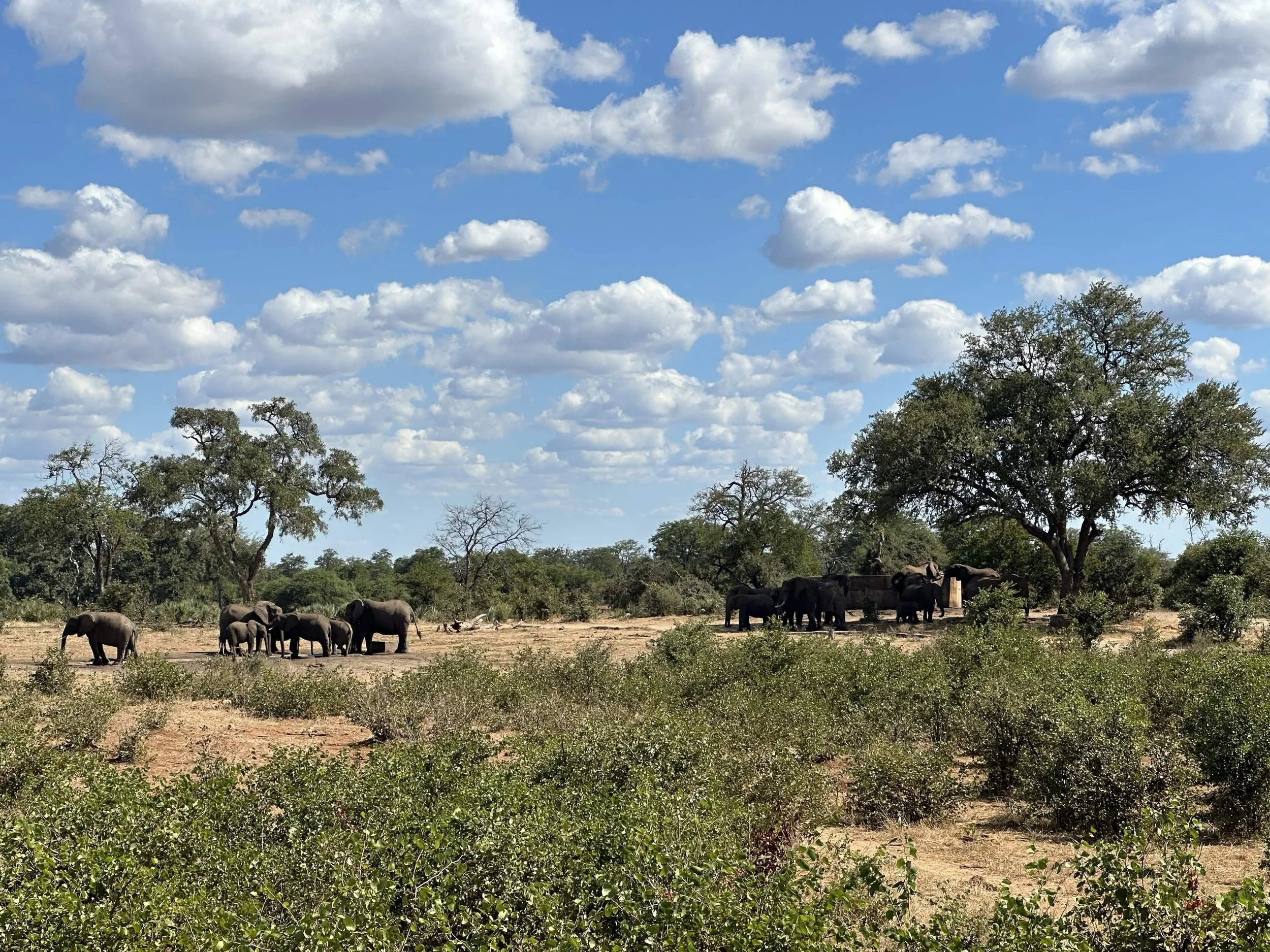
This is a general survey course, and no prior background in the sciences is necessary. Because social and economic systems are key drivers of environmental change, bringing a conservation perspective to economic, political, and social policy is critical. Many conservation issues are ‘wicked problems’ in that they resist easy solutions; we thus need many voices to bring different perspectives and creative solutions to these issues. For that reason, we invite a variety of inspiring people involved in the complex practical business of conservation into our course: protected area administrators, zoo officials, and activists, amongst others. Our discussions even include live linkups with practitioners such as elephant researchers speaking to us from the field in South Africa’s Kruger National Park.
CONS 454 - South Africa: Communities, Wildlife, and Conservation in Post-Apartheid South Africa
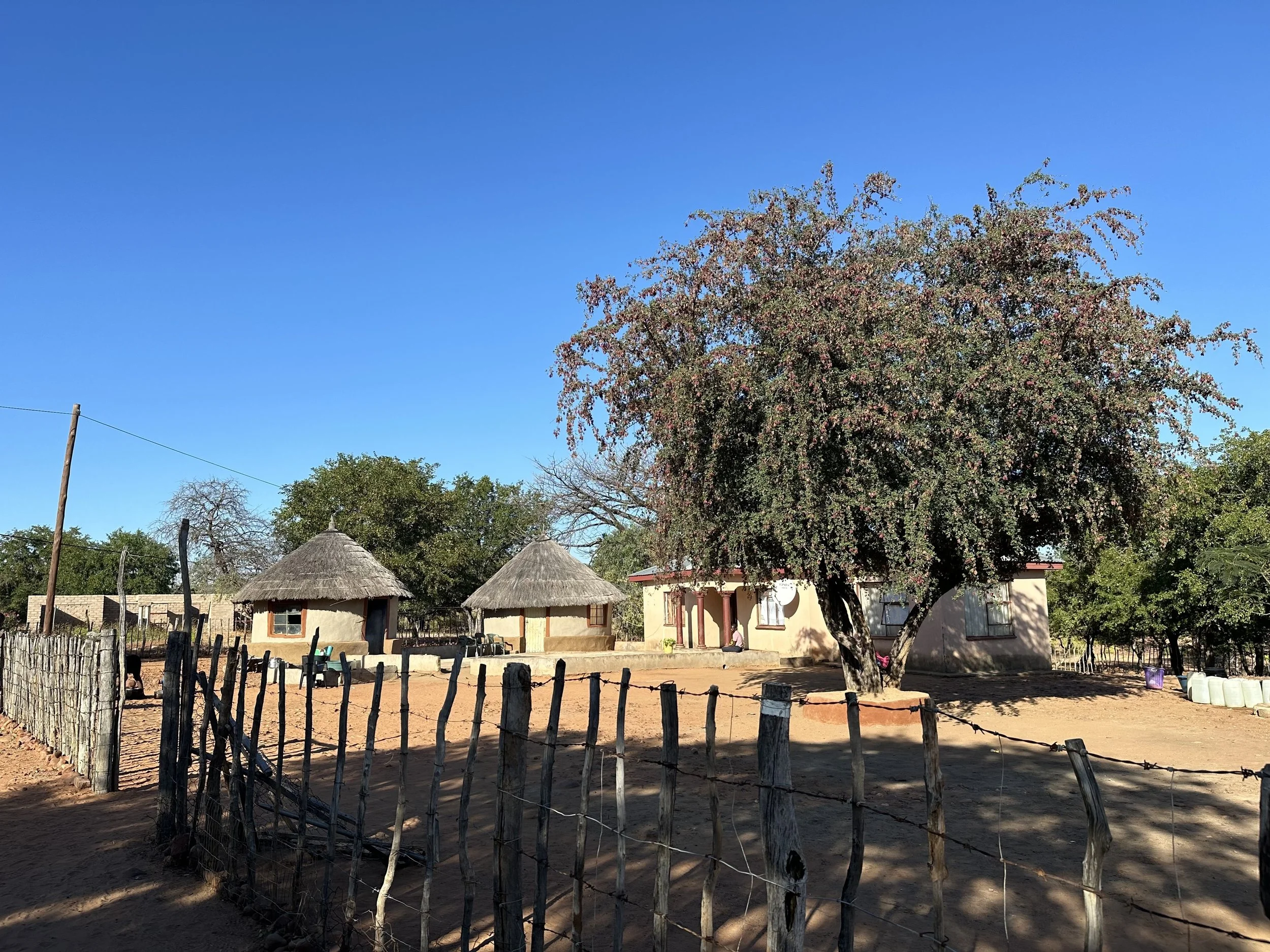
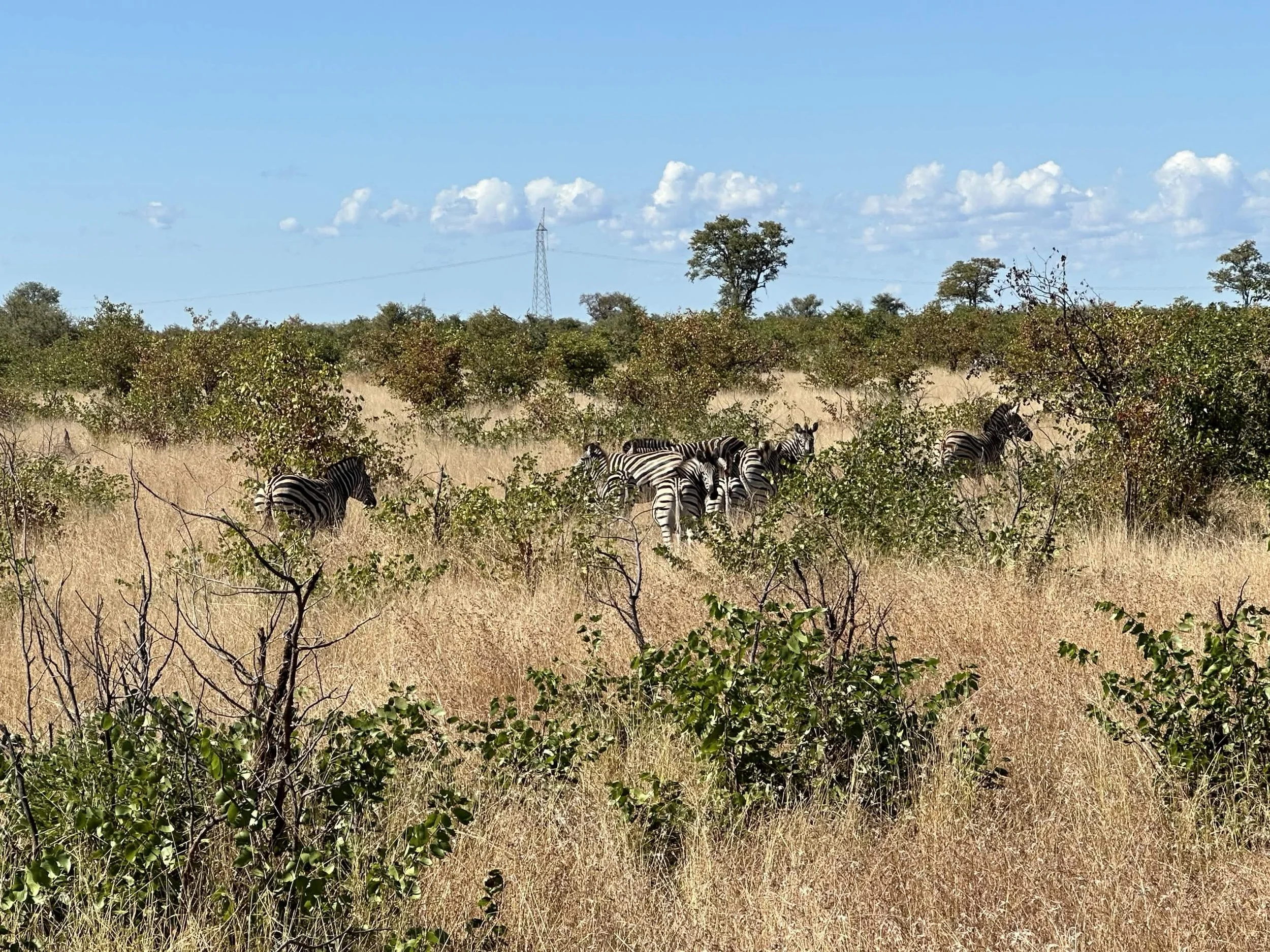
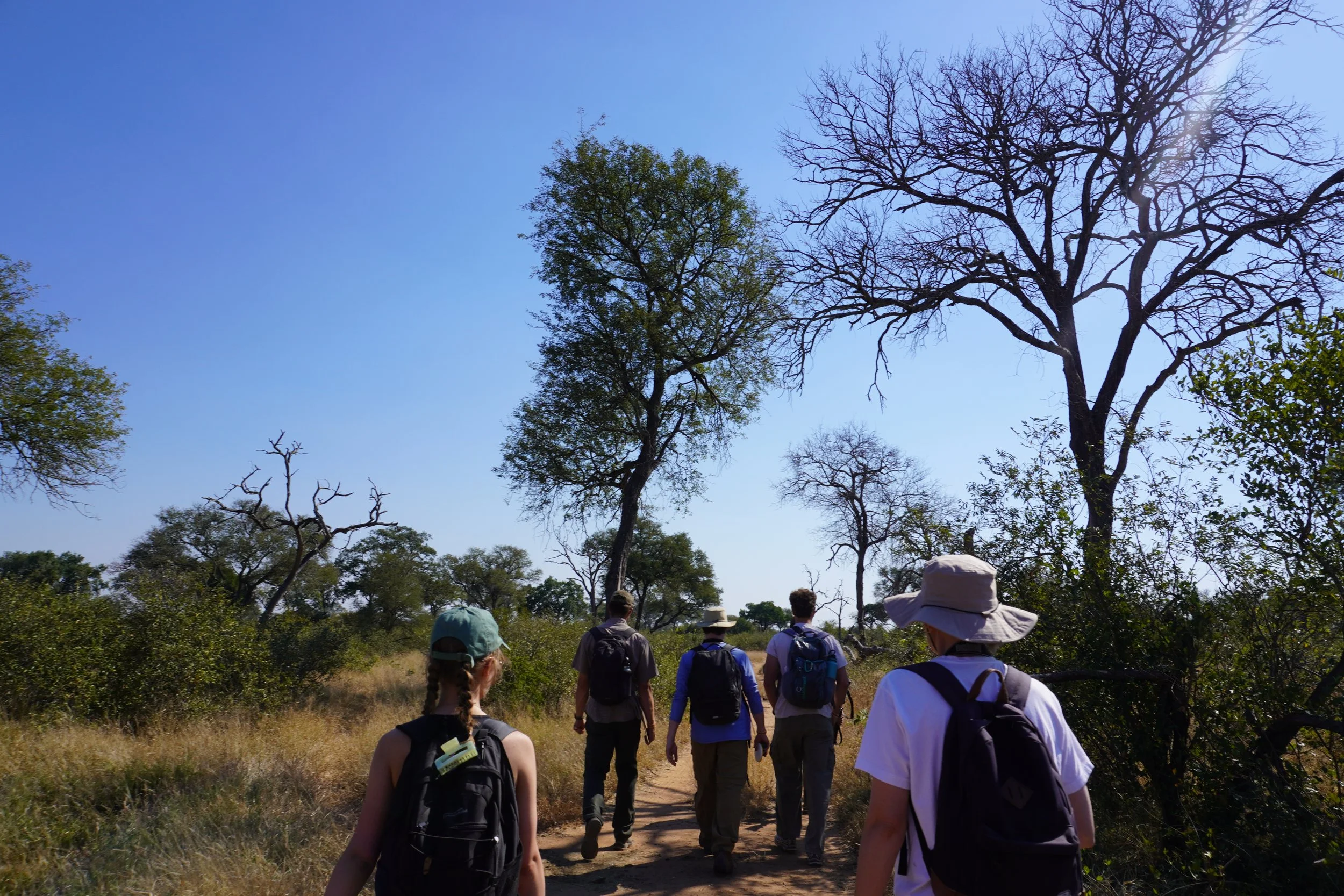
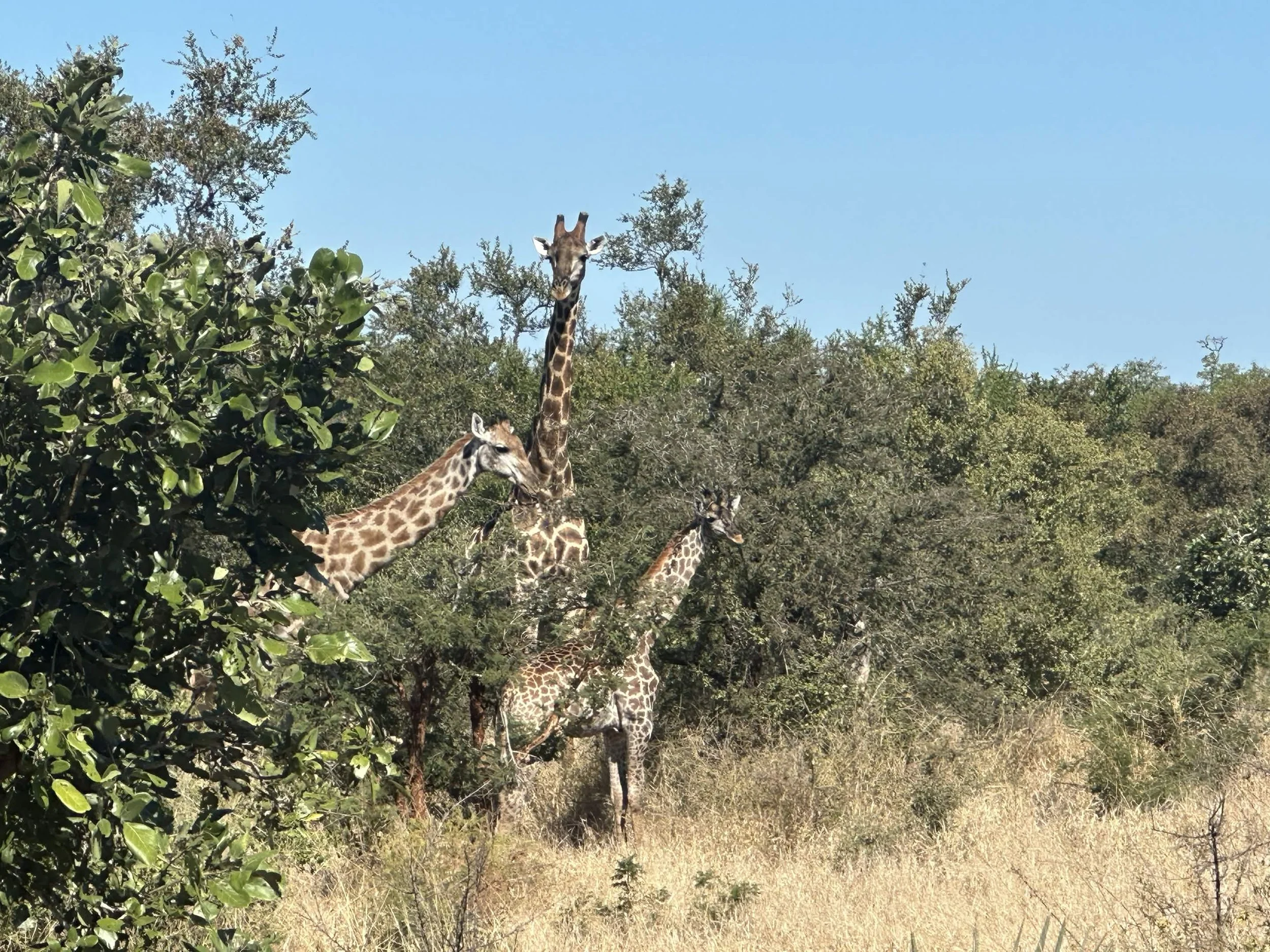
This UBC field school program is taught by professors David Bunn and Lorien Nesbit. It takes students into the heart of the African savanna biome to study communities, wildlife, and conservation, and learn from rural community members. Offering insights into the innovative forms of community-based natural resource management now emerging in South Africa, the course focuses on examining the new landscapes of conservation associated with post-apartheid South Africa. Combining some very adventurous travel with detailed field experience, data gathering, and long-term partnerships with rural South African communities, we explore some of the key social-ecological issues facing the 2.9 million or so people living around the edges of one of the world’s great game reserves: the Kruger National Park.
Moving through Kruger itself, travelling in open safari vehicles, we’ll experience the reserve’s remarkable savanna species diversity. Working with South African National Parks staff, we will examine current issues around elephant and lion management, and the racial and economic complexities surrounding rhino poaching. The program offers an intimate and interactive experience of different models of “decolonized” conservation management: innovative adaptive management within a national park; work with unarmed anti-poaching teams of Black women in private reserves; and an emergent community-conservation project that is returning land to tribal authorities in the post-apartheid land claims process.
CONS 491 - Recreation and Tourism Planning
How do we determine the main recreational interests of visitors to urban forest areas and national parks? Can we design and partition urban green spaces to avoid conflict between user groups? What precedents exist for democratic, effective management of tourism by Indigenous communities? What contradictions underlie cities’ efforts to brand themselves as global tourist destinations? These and related questions guide this advanced course on planning contemporary recreation and tourism opportunities.
We will discuss best practices in planning urban and rural recreation experiences and related tourism resources. Our central focus is the history, branding, and management of urban green spaces, with close attention to near‑city recreation, niche destinations, outdoor/sport experiences (e.g., mountain biking, skiing, surfing, recreational fisheries), and emerging issues of crowding, over-tourism, and social media influence. Emphasis is on British Columbia, with comparative examples from China, Singapore, New Zealand, Australia, Africa, Ecuador, Mexico, the United States, and the United Kingdom.