The Snaring of African Wild Dogs
Exploring the Role of Local Communities in
South African Large Carnivore Coexistence
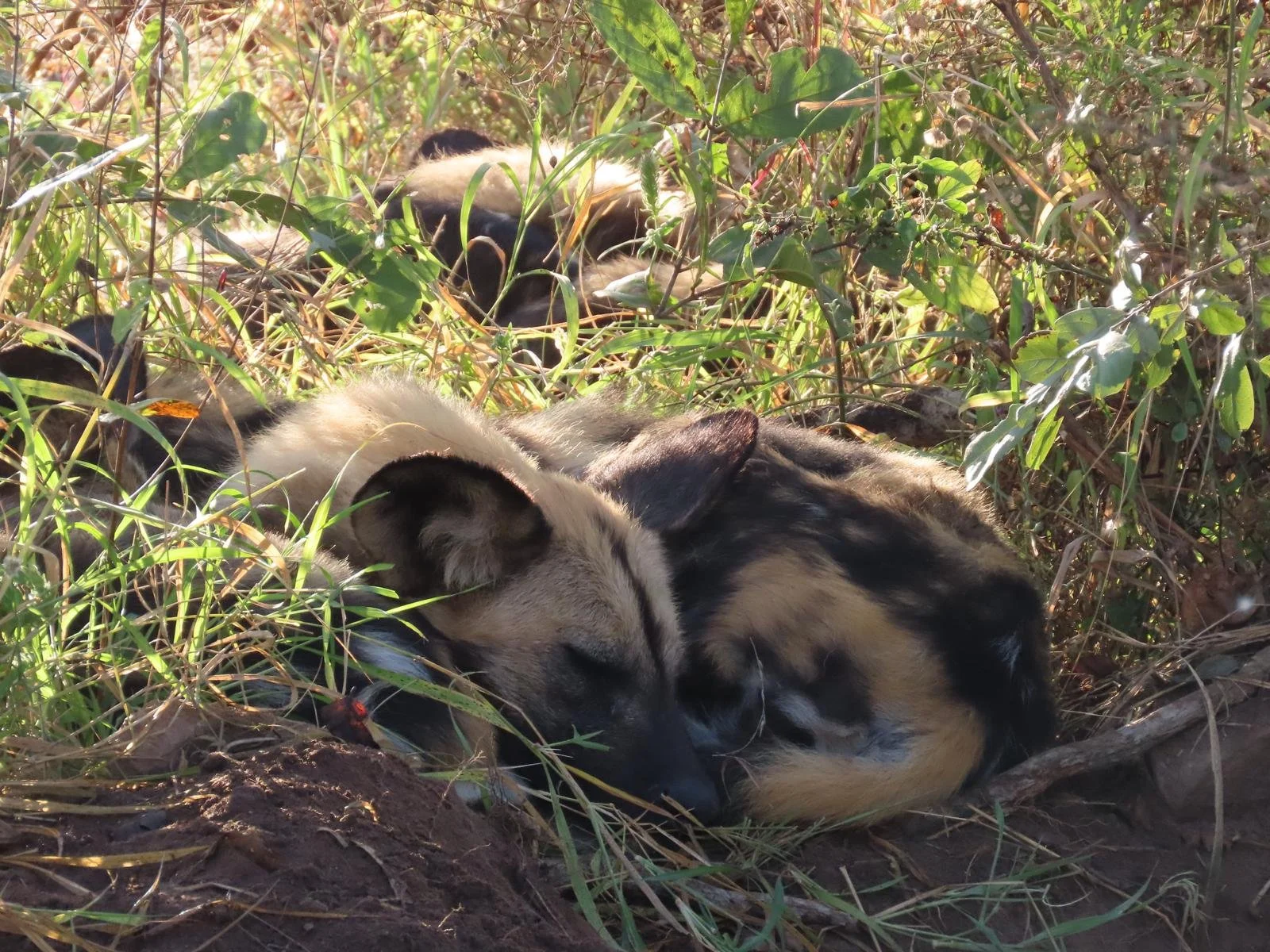
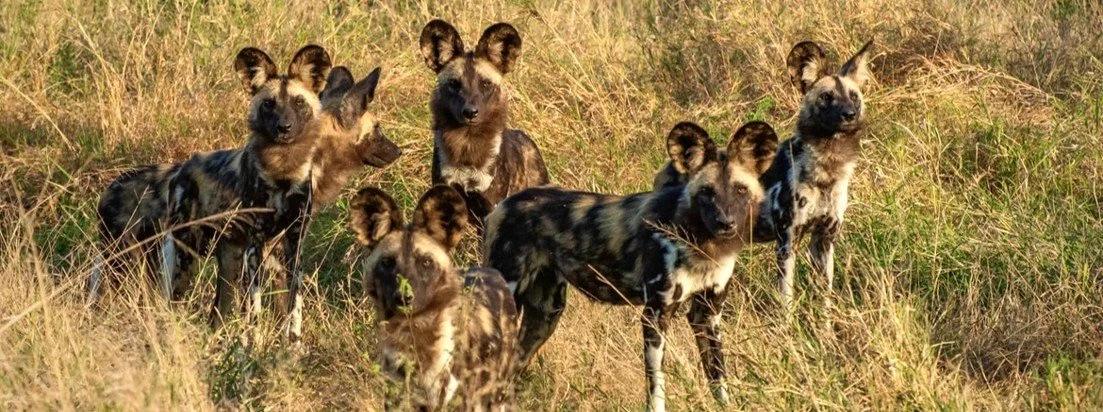
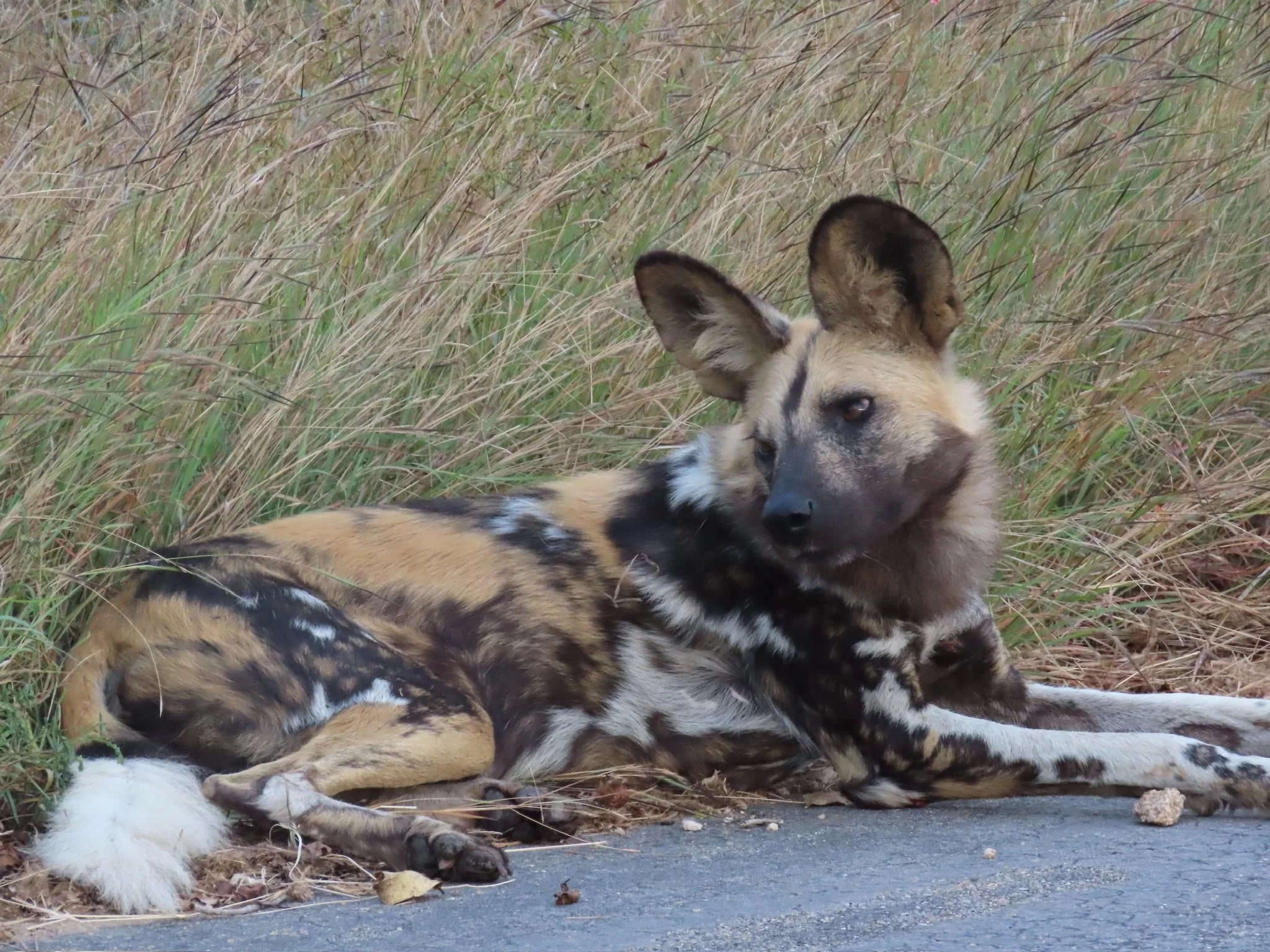
African wild dogs (Lycaon pictus) are wide-ranging, low-density carnivores that often move beyond protected areas into landscapes shared with people. These movements expose them to threats beyond park boundaries, including wire snares set to capture wild animals.
Research by Charlotte Matthews investigates the socioeconomic factors associated with African wild dog snaring incidents across the Greater Kruger National Park in South Africa. By mapping recorded snaring incidents and exploring the social factors surrounding them, her work aims to better understand this threat and inform conservation approaches with the aim of determining pathways for greater community involvement in snaring mitigation. This research will more broadly contribute towards improved understanding of the role of local communities in large carnivore coexistence across southern Africa.
Collaborators
Working with the Endangered Wildlife Trust (EWT), Charlotte is mapping recorded snaring incidents to investigate where wild dogs have been caught and what patterns emerge in the surrounding socioeconomic conditions.
Where the Research Happens
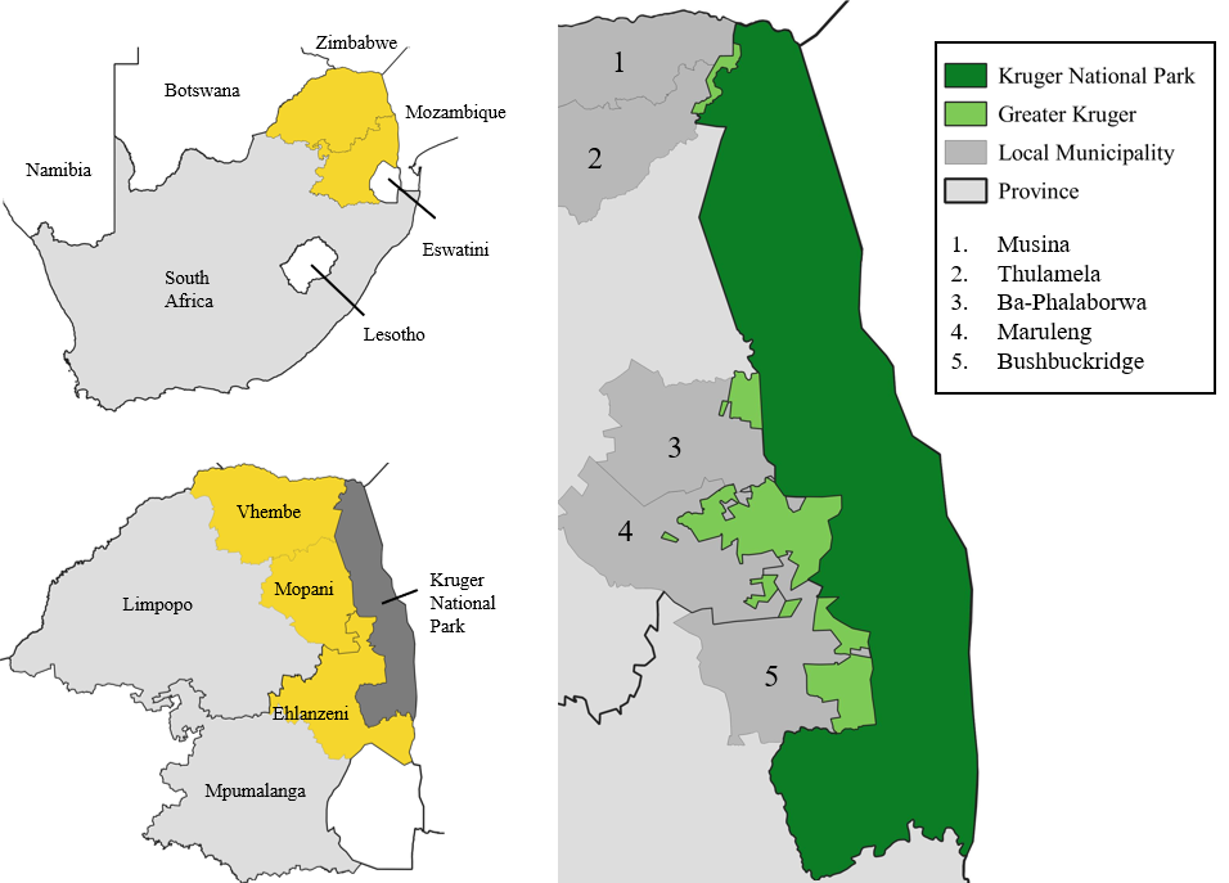
The project focuses on the Greater Kruger conservation landscape, including central and northern study areas, with community research taking place in HaMakuya near the northern boundary of Kruger National Park.
The problem
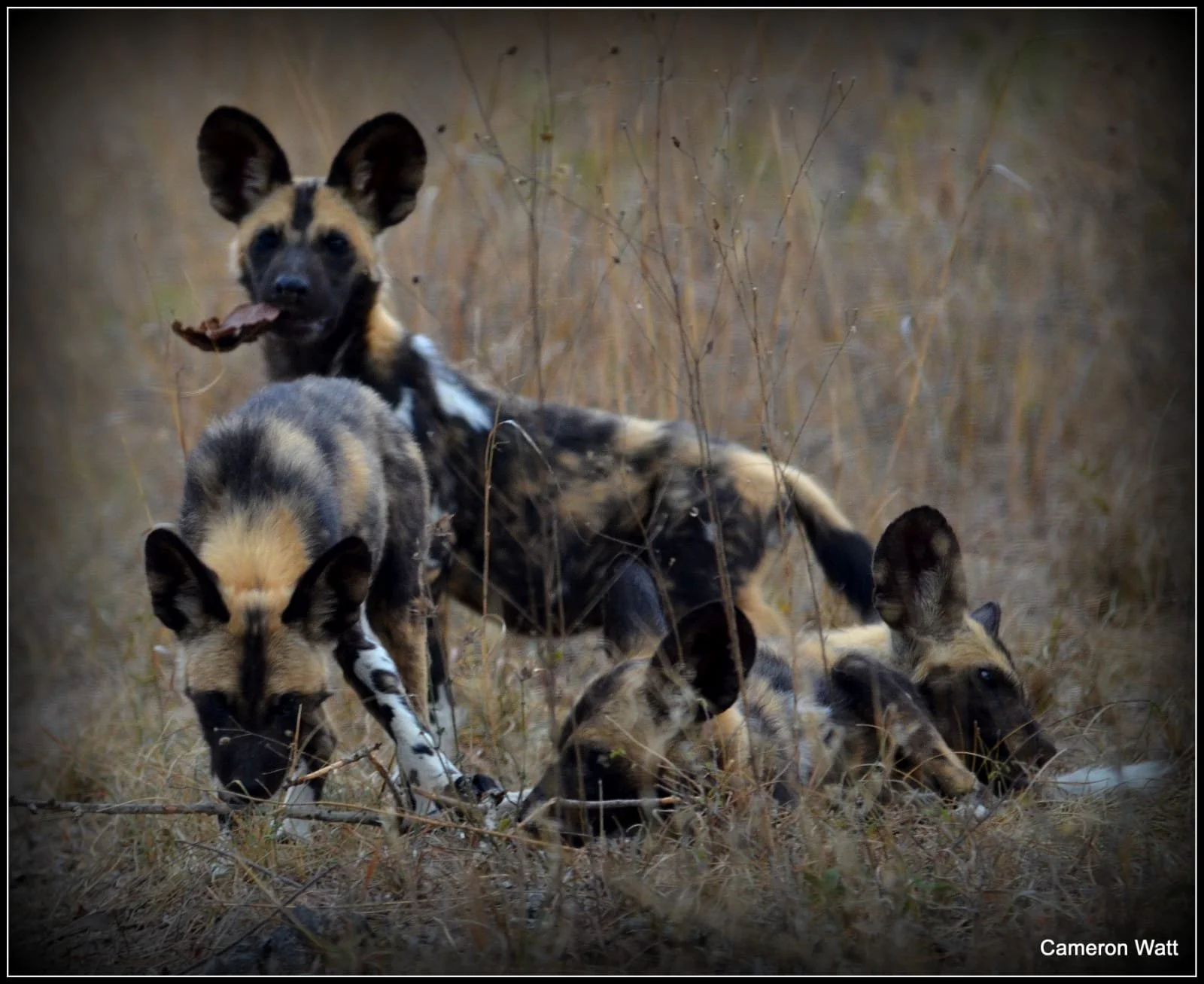
African wild dogs are Africa’s second most endangered carnivore, occupying 8% of their historic range in sub-Saharan Africa with only 1,676 surviving adults. Coexistence is therefore integral for wild dog conservation because they commonly exist in human-dominated landscapes. Unfortunately, wild dogs are frequently caught in wire snares set for bushmeat trapping.
People & Conservation
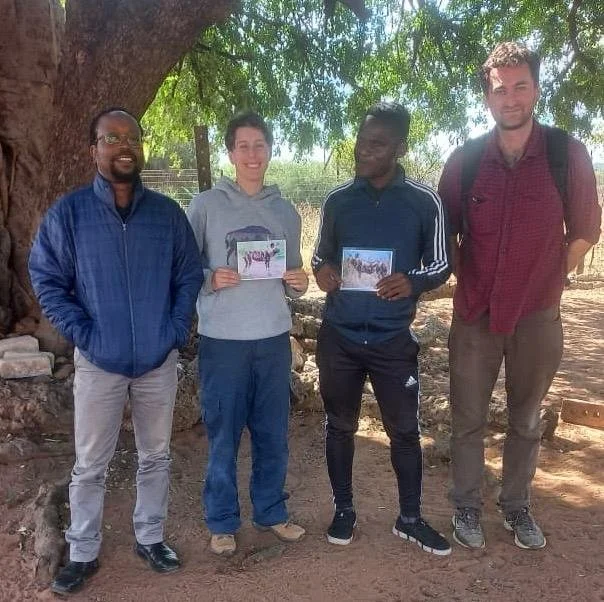
Alongside this spatial research, Charlotte is working with the HaMakuya community in northern Kruger to learn about local perspectives on African wild dogs, the use of snares, and how anti-snaring rules are enforced by different authorities.
By bringing these perspectives into the research, she hopes to help conservation organizations develop outreach programs that communicate the impacts of snaring in more meaningful ways and support coexistence between local communities and wildlife.